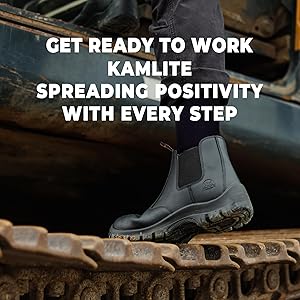
Protective footwear designed for occupational hazards while incorporating the comfort and aesthetics of athletic shoes represents a significant evolution in safety gear. This footwear category often blends features like composite toes, slip-resistant outsoles, and supportive midsoles with the lightweight, flexible design characteristics typically associated with sneakers. A common example includes a steel-toe capped shoe with a breathable mesh upper and a shock-absorbing sole, suitable for environments like construction sites or warehouses.
This hybrid style addresses the growing demand for safety footwear that doesn’t compromise on comfort or style. Historically, work boots were often bulky and heavy, prioritizing protection over all else. The emergence of lighter, more flexible materials, coupled with advancements in footwear technology, has allowed manufacturers to create protective footwear that enhances worker comfort and potentially reduces fatigue, leading to increased productivity and improved safety. This shift reflects a broader emphasis on worker well-being and the understanding that comfort plays a crucial role in overall job performance.
This discussion will further explore the key features, benefits, and various applications of this type of footwear, offering a comprehensive understanding of its role in diverse occupational settings. Subsequent sections will delve into specific aspects such as material selection, safety standards, and appropriate usage scenarios.
1. Safety
Safety remains paramount in any work environment, and protective footwear plays a crucial role in mitigating potential hazards. Sneaker work boots address this need by incorporating safety features typically found in traditional work boots while maintaining a lighter, more flexible design. Understanding the various safety components integrated into these boots is essential for ensuring adequate protection in hazardous settings.
-
Protective Toe Caps
Reinforced toe caps, often composed of steel, composite materials, or aluminum, shield the toes from impact and compression hazards. These are crucial in environments where heavy objects might fall or where toes might be crushed. The choice of material affects the weight and flexibility of the boot; composite toes offer lighter weight while steel provides maximum protection. Appropriate toe cap selection depends on the specific hazards present in the work environment.
-
Slip-Resistant Outsoles
Specialized outsoles designed with specific tread patterns and rubber compounds provide enhanced traction on various surfaces, reducing the risk of slips, trips, and falls. This is particularly important in environments with wet, oily, or uneven surfaces. Outsole design considers factors such as surface contact area and groove patterns to maximize grip and stability.
-
Puncture Resistance
Some sneaker work boots incorporate puncture-resistant midsoles, typically made of steel or composite materials, to protect the feet from sharp objects like nails or shards of glass. This feature is essential in environments where such hazards are common, such as construction sites or recycling facilities. The level of puncture resistance required depends on the specific risks involved.
-
Electrical Hazard Protection
For those working in environments with electrical hazards, specialized sneaker work boots offer insulation against electrical shocks. These boots are designed to withstand specific voltage levels and prevent electrical current from passing through the footwear, protecting the wearer from potential electrocution. Adherence to relevant safety standards for electrical hazard protection is critical.
The integration of these safety features transforms sneaker work boots into essential personal protective equipment (PPE), offering substantial protection against various workplace hazards. Choosing the right features depends on a thorough risk assessment of the specific work environment. Ensuring appropriate safety standards are met is critical for maximizing worker protection and minimizing the risk of workplace injuries.
2. Comfort
Comfort in footwear, particularly for occupations requiring prolonged standing or strenuous activity, directly impacts worker productivity, safety, and overall well-being. Traditional work boots, while prioritizing protection, often lacked the comfort necessary for extended wear, potentially leading to fatigue, discomfort, and even injuries. Sneaker work boots address this critical gap by incorporating comfort-enhancing features derived from athletic footwear technology, thereby improving the work experience and potentially reducing work-related injuries. For example, incorporating advanced cushioning materials in the midsole, like ethylene-vinyl acetate (EVA) or polyurethane (PU), absorbs shock and reduces stress on joints during movement, mitigating fatigue and promoting comfort throughout the workday. Similarly, breathable linings and moisture-wicking materials enhance air circulation within the boot, regulating temperature and reducing the likelihood of blisters and foot discomfort, particularly in warm or humid environments. These advancements contribute to a more comfortable and supportive work experience.
The ergonomic design of sneaker work boots further enhances comfort and reduces strain. Features like contoured footbeds provide arch support and promote proper foot alignment, minimizing pressure points and reducing the risk of developing foot conditions like plantar fasciitis. Flexible outsoles allow for a more natural range of motion, improving agility and reducing strain on the feet and ankles during dynamic movements. In practical terms, this translates to increased worker comfort and reduced fatigue, allowing individuals to maintain focus and productivity throughout their workday. The positive impact of comfort extends beyond immediate well-being; it also contributes to a safer work environment by reducing distractions caused by discomfort and improving worker morale. Consider a construction worker who spends hours on their feet. Comfortable footwear allows them to concentrate on the task at hand, minimizing the risk of accidents caused by fatigue or discomfort.
Integrating comfort features into protective footwear represents a significant advancement in occupational safety and worker well-being. Addressing comfort needs not only enhances the work experience but also contributes to increased productivity, reduced injury rates, and improved overall job satisfaction. While safety remains paramount, recognizing the crucial role of comfort in worker performance is essential for creating a safer, more productive, and more supportive work environment. Challenges remain in balancing comfort with the necessary protective features, necessitating ongoing research and development in materials and design. Further investigation into the long-term effects of comfort-focused footwear on worker health and productivity is warranted.
3. Durability
Durability in footwear intended for demanding work environments is paramount. Sneaker work boots must withstand rigorous use, exposure to various elements, and potential hazards without compromising structural integrity or protective qualities. Understanding the factors contributing to durability ensures the longevity of the footwear, maximizing the return on investment and maintaining worker safety over extended periods.
-
Material Selection
The choice of materials significantly impacts the overall durability of sneaker work boots. High-quality, abrasion-resistant materials like full-grain leather or durable synthetics are commonly used for the upper, providing resistance to tears, scuffs, and punctures. Reinforced stitching and double or triple seams further enhance the structural integrity of the boot, preventing premature failure under stress. For example, boots intended for heavy-duty construction might incorporate abrasion-resistant TPU overlays in high-wear areas. Appropriate material selection ensures the boot can withstand the rigors of the specific work environment.
-
Outsole Construction
The outsole, the part of the boot in direct contact with the ground, must be highly resistant to abrasion, chemicals, and extreme temperatures. Durable rubber compounds with specialized tread patterns offer excellent traction and longevity. Features like thicker outsoles or dual-density construction can enhance durability and provide additional cushioning. For instance, an oil-resistant outsole is essential in environments where oil spills are common. The outsole’s construction contributes significantly to the boot’s overall lifespan.
-
Midsole Support and Durability
The midsole, located between the outsole and the insole, plays a vital role in shock absorption and support. Durable materials like polyurethane (PU) or ethylene-vinyl acetate (EVA) provide cushioning and maintain their structural integrity over time. A well-constructed midsole ensures long-lasting comfort and support, even with extended use. For example, a denser PU midsole offers greater support and durability compared to a lighter EVA midsole. The choice of midsole material affects both comfort and long-term durability.
-
Water Resistance and Breathability
Exposure to moisture can compromise the integrity and longevity of footwear. Water-resistant or waterproof membranes, often incorporated into sneaker work boots, protect against water damage while allowing for breathability. This balance is crucial for maintaining foot health and extending the lifespan of the boot. However, maximizing both water resistance and breathability remains a challenge. Innovative materials and construction techniques continuously evolve to address this, improving the performance and longevity of footwear in demanding environments.
These factors collectively contribute to the overall durability and lifespan of sneaker work boots. Investing in footwear constructed with durable materials and appropriate construction techniques ensures long-term value and worker safety. While initial costs may be higher, durable footwear reduces the need for frequent replacements, ultimately proving more cost-effective and sustainable in the long run. Selecting appropriate footwear based on the specific demands of the work environment is essential for maximizing durability and ensuring worker protection.
4. Style
The integration of style into safety footwear reflects a shift in worker expectations and a growing recognition of the importance of self-expression, even in professional settings. While functionality and safety remain paramount, the aesthetic appeal of sneaker work boots contributes to worker satisfaction, confidence, and overall well-being, without compromising essential protective qualities. This section explores the various facets of style as they pertain to this evolving category of footwear.
-
Integration of Athletic Aesthetics
Sneaker work boots draw design inspiration from athletic footwear, incorporating elements like streamlined silhouettes, vibrant color palettes, and contemporary branding. This blending of athletic aesthetics with protective functionality allows workers to express personal style while adhering to safety requirements. For instance, a sleek, low-profile boot with contrasting color accents might appeal to workers in a modern industrial setting, while a more rugged, high-top design might be preferred in outdoor environments. This fusion of style and function caters to diverse aesthetic preferences within the professional sphere.
-
Variety of Design Options
The market offers a wide array of styles, catering to various industries and personal preferences. From classic lace-up designs to slip-on convenience, sneaker work boots encompass a diverse range of options. This variety empowers workers to choose footwear that aligns with their individual style and the specific demands of their profession. For example, a worker in a fast-paced environment might opt for a slip-on design for quick changes, while someone working in a more traditional setting might prefer a classic lace-up boot. The availability of diverse styles ensures a suitable option for every worker and work environment.
-
Customization and Personalization
Opportunities for customization, such as interchangeable laces or removable insoles, allow workers to personalize their footwear, further enhancing self-expression and comfort. This level of personalization reflects a growing trend in the footwear industry, recognizing the individual needs and preferences of workers. For instance, a worker might choose brightly colored laces to add a personal touch to their uniform or select specialized insoles for enhanced arch support. These customization options empower workers to tailor their footwear to their individual needs and preferences.
-
Impact on Professional Image
While functionality remains the primary concern, the stylish design of sneaker work boots can contribute to a more positive and professional image. Well-designed, comfortable footwear can boost confidence and project a sense of competence, impacting how workers perceive themselves and how they are perceived by others. This can be particularly important in client-facing roles or industries where professional appearance is highly valued. For example, a clean, well-maintained pair of sneaker work boots can convey a sense of professionalism and attention to detail. The impact of style on professional image should not be underestimated.
The evolution of sneaker work boots demonstrates a successful merging of style and functionality. By incorporating athletic aesthetics, offering diverse design options, and allowing for personalization, manufacturers cater to the growing demand for safety footwear that reflects individual style preferences without compromising protection. This integration of style enhances worker satisfaction, promotes self-expression, and contributes to a more positive and professional work experience. The ongoing development of innovative materials and design techniques promises further advancements in the style and functionality of protective footwear, ultimately benefiting both workers and employers.
5. Functionality
Functionality in protective footwear refers to the practical features and design elements that enable individuals to perform their job duties safely, efficiently, and comfortably. In the context of sneaker work boots, functionality goes beyond basic protection, incorporating elements that enhance performance and adapt to the specific demands of various work environments. A comprehensive understanding of these functional aspects is crucial for selecting appropriate footwear that meets the unique needs of different occupations.
-
Flexibility and Mobility
Unlike traditional work boots, which can be rigid and restrictive, sneaker work boots prioritize flexibility. This allows for a greater range of motion, crucial for tasks requiring agility, bending, or climbing. Flexible outsoles and lightweight materials contribute to enhanced mobility, reducing fatigue and promoting natural movement. For example, a construction worker navigating scaffolding benefits significantly from the flexibility offered by sneaker work boots. This enhanced mobility translates to improved safety and efficiency on the job.
-
Specialized Tread Patterns
The outsole’s tread pattern plays a critical role in providing traction and stability on various surfaces. Sneaker work boots often feature specialized tread designs optimized for specific work environments, such as oil-resistant treads for slippery surfaces or deep lugs for muddy terrain. The tread pattern directly impacts grip and stability, reducing the risk of slips, trips, and falls. For instance, a worker in a food processing plant requires slip-resistant outsoles to maintain stability on wet or oily floors. Appropriate tread patterns are essential for maintaining safety and preventing workplace accidents.
-
Ankle Support and Stability
Depending on the occupational demands, the level of ankle support required varies. Sneaker work boots offer a range of options, from low-top designs for increased flexibility to high-top versions for enhanced ankle stability. The choice depends on the specific tasks and potential hazards present in the work environment. A warehouse worker lifting heavy objects might benefit from the added ankle support provided by a high-top design, while a delivery driver requiring greater flexibility might prefer a low-top option. Appropriate ankle support contributes to both comfort and safety on the job.
-
Breathability and Moisture Management
Maintaining foot comfort, especially in demanding work environments, is crucial for worker well-being and productivity. Sneaker work boots often incorporate breathable materials and moisture-wicking linings to regulate temperature and prevent excessive sweating. This enhances comfort, reduces the likelihood of blisters and foot odor, and promotes overall foot health. For example, a landscaper working outdoors in hot weather benefits significantly from breathable footwear that keeps feet cool and dry. Proper moisture management contributes to worker comfort and reduces the risk of foot-related issues.
The convergence of these functional elements makes sneaker work boots a versatile and practical choice for various occupations. By prioritizing flexibility, incorporating specialized tread patterns, offering varied levels of ankle support, and addressing breathability, this type of footwear enhances worker safety, comfort, and productivity. The continuous development of new materials and technologies further expands the functional capabilities of sneaker work boots, addressing the evolving demands of modern workplaces and contributing to a safer and more efficient work experience. Further research and development could focus on optimizing these functional aspects for specific industries, further enhancing worker safety and performance.
Frequently Asked Questions
This section addresses common inquiries regarding footwear designed for occupational use while incorporating athletic shoe characteristics, aiming to provide clear and concise information for informed decision-making.
Question 1: Are these boots truly as safe as traditional work boots?
Safety depends on specific features and adherence to relevant safety standards (e.g., ASTM F2413). While many incorporate protective elements like composite toes and slip-resistant outsoles, verifying compliance with required safety standards for the intended work environment is crucial. Not all footwear in this category provides the same level of protection.
Question 2: How durable are these compared to standard work boots?
Durability depends on construction and materials. High-quality options utilize durable materials like reinforced stitching, abrasion-resistant fabrics, and robust outsoles, offering comparable lifespans to traditional work boots. However, inspecting construction quality and material specifications is essential.
Question 3: Are they suitable for all work environments?
Suitability depends on specific hazards present. While appropriate for many light industrial and construction settings, certain extreme environments (e.g., chemical exposure, extreme temperatures) may require specialized safety footwear beyond this category’s typical offerings. Careful assessment of workplace hazards is necessary.
Question 4: How do they compare in terms of comfort?
Comfort levels are often higher compared to traditional work boots due to features like lightweight materials, advanced cushioning, and flexible designs. These characteristics can reduce fatigue and improve overall comfort during long work shifts. Individual experiences may vary.
Question 5: How should one select the correct size and fit?
Proper fit is crucial for safety and comfort. Consulting manufacturer sizing charts and trying on different sizes and styles are recommended. Consider factors like sock thickness and potential foot swelling during the workday. Professional fitting advice may be beneficial.
Question 6: What maintenance is required to ensure longevity?
Regular cleaning and proper storage contribute to extended lifespan. Following manufacturer care instructions, using appropriate cleaning products, and allowing the footwear to dry properly are essential. Inspecting for wear and tear regularly is recommended.
Careful consideration of individual needs, job requirements, and potential workplace hazards is paramount for successful footwear selection. Understanding the balance between safety, comfort, durability, and style is essential.
The next section delves into specific applications and use cases for this type of footwear across various industries.
Tips for Selecting and Utilizing Protective Athletic Footwear
Choosing appropriate protective athletic footwear requires careful consideration of various factors to ensure optimal safety, comfort, and performance in the workplace. The following tips offer guidance for navigating the selection process and maximizing the benefits of this type of footwear.
Tip 1: Prioritize Safety Standards and Certifications: Ensure selected footwear meets or exceeds relevant safety standards for the specific industry and hazards encountered (e.g., ASTM F2413 for impact and compression resistance). Verify certifications and compliance markings before purchase. This guarantees a baseline level of protection.
Tip 2: Assess Work Environment Hazards: Thoroughly evaluate the specific hazards present in the work environment, such as falling objects, sharp objects, slippery surfaces, electrical hazards, or chemical exposure. Choose footwear with appropriate protective features to mitigate these risks effectively. A comprehensive risk assessment is essential.
Tip 3: Consider Comfort and Fit: Prioritize comfort features like cushioning, breathability, and proper arch support, especially for occupations requiring prolonged standing or strenuous activity. Ensure a proper fit to prevent discomfort and potential injuries. Ill-fitting footwear can negatively impact performance and safety.
Tip 4: Evaluate Durability and Construction: Look for durable materials, reinforced stitching, and robust outsoles designed to withstand the wear and tear of demanding work environments. High-quality construction ensures longevity and maximizes the value of the investment. Durable footwear minimizes replacement costs over time.
Tip 5: Select Appropriate Style and Functionality: Choose footwear that aligns with the specific demands of the job, considering factors like flexibility, ankle support, and tread patterns. A balance between functionality and aesthetic preferences enhances worker satisfaction and performance. Aesthetics should not compromise functionality.
Tip 6: Maintain Footwear Properly: Regular cleaning, proper storage, and timely replacement contribute to the longevity and effectiveness of protective footwear. Adhering to manufacturer care instructions ensures optimal performance and extends the lifespan of the investment. Proper maintenance preserves protective qualities.
Tip 7: Research and Compare Different Brands and Models: Explore various brands and models, comparing features, pricing, and user reviews to make informed decisions. Understanding the strengths and weaknesses of different options allows for selection of footwear best suited to individual needs and preferences. Thorough research leads to informed choices.
Following these tips ensures informed selection of protective athletic footwear, maximizing safety, comfort, and performance in the workplace. Careful consideration of individual needs and workplace hazards is paramount.
The subsequent conclusion summarizes the key benefits and considerations discussed throughout this exploration of protective athletic footwear.
Conclusion
Protective footwear designed for occupational hazards while incorporating athletic-shoe comfort and aesthetics presents a significant advancement in worker safety and well-being. This exploration has highlighted the convergence of safety, comfort, durability, style, and functionality within this evolving footwear category. Key considerations include adherence to relevant safety standards, careful assessment of workplace hazards, prioritization of comfort features, evaluation of material durability, and selection of appropriate styles for specific job functions. Understanding these factors enables informed decision-making, promoting worker protection and enhancing overall job performance.
As technology and design continue to advance, this specialized footwear promises further improvements in worker comfort, safety, and productivity. Continued research and development of innovative materials and construction techniques will further refine the balance between protection and comfort, leading to a safer and more productive work experience for individuals in diverse occupational settings. The evolution of protective athletic footwear underscores a growing recognition of the importance of worker well-being as a crucial factor in overall workplace safety and efficiency.